
Why the Nautical Elements, Cy?
Beyond the Horizon: Why Nautical Themes Steer My Cybersecurity Series
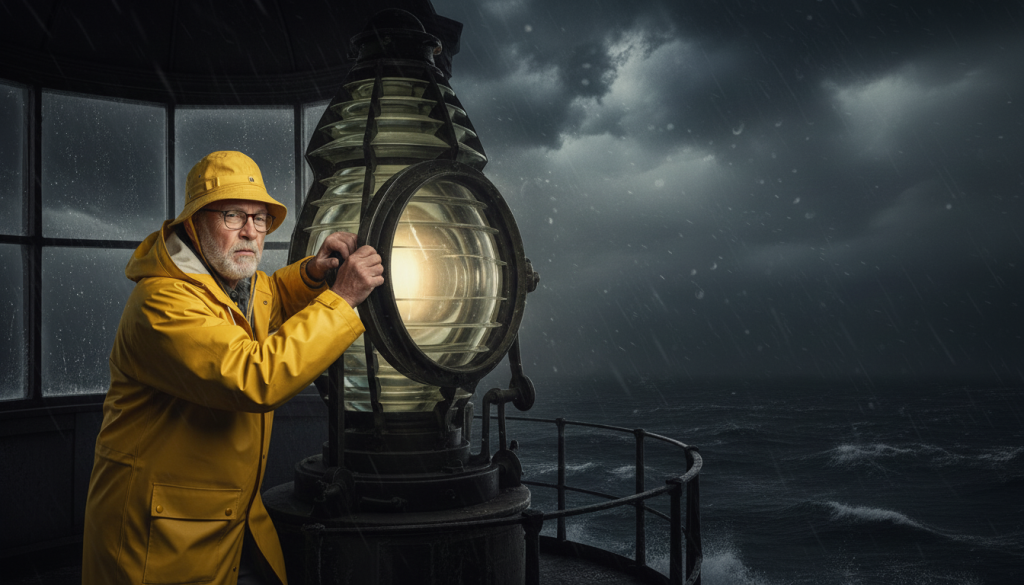
If you’ve spent any time on cyrusberger.com or glimpsed the cover of “A Manager’s Guide to Cybersecurity,” you might have noticed a recurring theme: nautical elements. Lighthouses, compasses, uncharted waters, safe harbors—they’re all woven into the fabric of my brand and my book series, “The Manager’s Cybersecurity Toolkit.” It might seem a curious choice for a cybersecurity expert, but for me, it’s an analogy that works on a number of deeply resonant levels.
A Childhood Obsession with Maps and Mysteries
My fascination began not with firewalls and encryption, but with old maps. As a kid, I was captivated by the legends of the sea, the intricate charts of exploration, and the implied dangers of the unknown deep. There was a profound sense of purpose in navigation – understanding your position, charting a safe course, and anticipating storms. That sense of methodical preparation, of knowing your vessel and your crew, of reading the signs of the environment, struck a chord. It was about security, protection, and successful transit through peril.
The Sea as a Metaphor for the Digital Landscape
The parallels between navigating treacherous waters and managing cyber risk are, for me, undeniable:
- Vast and Unpredictable: Just as the ocean is immense and full of unseen currents, shifting weather, and hidden reefs, the digital landscape is vast, constantly changing, and teeming with unseen threats. New vulnerabilities emerge daily, and attack methods evolve with alarming speed.
- Hidden Dangers: Below the surface of calm waters lie icebergs, strong currents, and predatory creatures. In cyberspace, below the seemingly smooth surface of your network, lie zero-day exploits, phishing campaigns, and sophisticated nation-state actors. You can’t always see the danger, but it’s always there.
- The Vessel and the Crew: Your organization is your ship. Your systems, data, and infrastructure are its hull, engine, and cargo. Your employees are the crew. Just as a ship needs a skilled captain, a vigilant crew, and a well-maintained vessel to withstand a storm, your organization needs strong leadership, an aware workforce, and robust security controls.
- The Lighthouse of Guidance: A lighthouse stands as a beacon of safety, guiding ships away from danger. This is how I view cybersecurity frameworks like the NIST CSF or ISO 27001 – they are the navigational aids, providing clear guidance, best practices, and a structured approach to avoid the digital reefs.
From Maps to Malware: My Spiderman Connection
I’ve always admired heroes who use their intellect to protect, like Spiderman. He wasn’t just about raw power; he was about using his wits, his “Spidey-sense” for danger, and his scientific ingenuity to build solutions. For me, the thrill was in understanding the threat, mapping its capabilities, and then devising the most intelligent, practical way to defend against it. It wasn’t about being a superhero, but about being a smart protector. Cybersecurity, in essence, is that intellectual pursuit of protection in the digital realm.
So, when you see a lighthouse in my branding or references to charts and horizons in my books, know that it’s more than just aesthetics. It’s a deeply ingrained philosophy of proactive navigation, vigilant protection, and clear, strategic guidance in the complex seas of cyber risk.
Best regards,
Cyrus ‘Cy’ Berger
Author & Cybersecurity Expert